首页 / 媒体聚焦

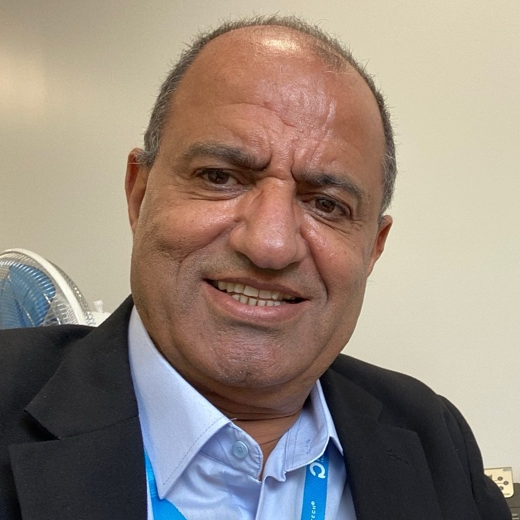
IFUS大会专访丨法国水科院院士Isam Shahrour教授

阅读: 发布人:地下空间开发大会

图片

点击查看第十二届国际地下空间开发大会通知


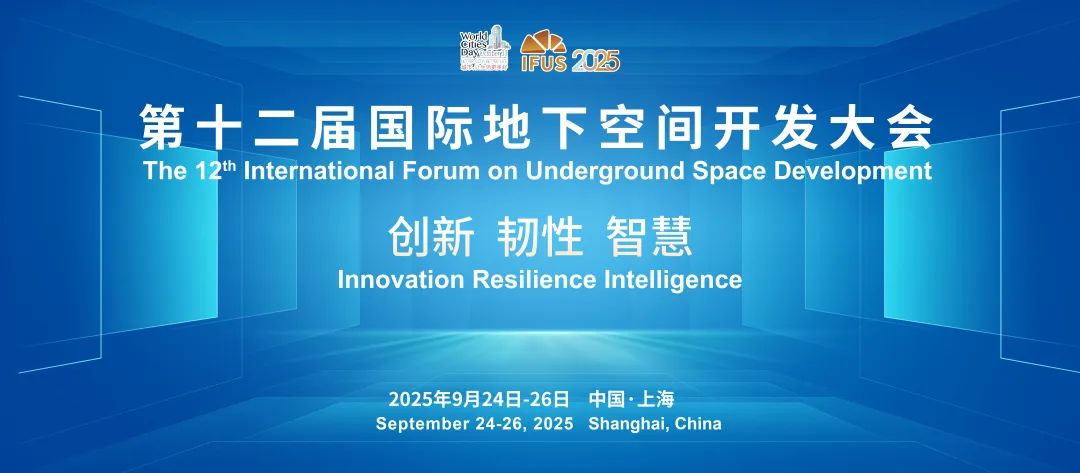
第十二届国际地下空间开发大会(IFUS 2025)将于2025年9月24日-26日在上海隆重举行(24日为报到日)。本届大会以“创新 韧性 智慧”为主题,将汇聚全球地下空间领域的顶尖专家学者,共同探讨行业前沿技术与发展趋势。作为大会重要环节,组委会特别策划系列专访活动,旨在搭建行业交流平台,促进理论创新与实践应用的深度融合。


本期我们与法国水利科学院院士、法国里尔大学特聘教授Isam Shahrour展开深度对话。他在采访中表示,中法智慧城市合作具有巨大的互补潜力,未来的发展之路在于深化专业知识的交流,双方的协作有望开创城市发展的新范式——共同建设不仅智能,更兼具可持续性、韧性及以人为本的城市。


一起来看完整对话↓↓↓


专访嘉宾

图片

Isam Shahrour

  • 法国水利科学院院士

  • 法国里尔大学特聘教授 


问题一:智慧城市挑战

作为智慧城市领域的专家,您认为当前智慧城市建设在应对气候变化和资源短缺等全球性挑战时面临哪些关键瓶颈?您主导的智慧城市项目如何通过技术创新实现资源高效利用与城市韧性的平衡?

Over the past two decades, the smart city concept has emerged as a cornerstone of urban innovation. It blends sustainability, digital transformation (IoT, AI, cloud computing, Big Data), and intelligent governance to create cities that are socially inclusive, economically vibrant, environmentally responsible, and operationally resilient.

过去二十年间,智慧城市理念已成为城市创新的基石。它融合了可持续性、数字化转型(物联网、人工智能、云计算、大数据)与智能治理,旨在打造具有社会包容性、经济活力、环境责任和运营韧性的城市。

Yet, the true challenges of smart cities are not purely technological but organizational and strategic. Transitioning from siloed, vertical management to horizontal, collaborative ecosystems demands cultural and structural change, as well as advanced digital infrastructures to handle massive data flows. This data must be collected, processed, and transformed into actionable, citizen-centric services.

然而,智慧城市的真正挑战并非纯技术性问题,而是组织与战略层面的问题。从孤立的垂直管理转向横向协作的生态系统,需要文化与结构的变革,以及能够处理海量数据流的先进数字基础设施。这些数据必须经过收集、处理,并转化为以市民为中心的可执行服务。

Investment remains another major hurdle. Building these complex ecosystems requires significant upfront funding, with returns realized primarily in the medium to long term through operational efficiency, innovative services, and sustainable growth.

投资仍是另一大障碍。构建这些复杂生态系统需要大量前期资金投入,其回报主要通过运营效率、创新服务和可持续增长在中长期实现。

Ultimately, smart cities represent a societal transformation, not just a technological shift. Their success hinges on visionary public and private leaders who can embrace disruption, foster collaboration, and commit to long-term strategies that deliver meaningful progress for society and the environment.

归根结底,智慧城市代表的是社会转型,而不仅是技术变革。其成功取决于具有远见的公共和私营领导者——他们必须勇于拥抱变革、促进协作,并致力于推行能为社会与环境带来实质性进步的长期战略。


问题二:跨学科研究与实践

您领导的LGCgE实验室涉及土木工程、环境科学等多学科团队。在推进智慧城市研究过程中,您如何协调不同学科背景的研究者共同攻克复杂城市问题?能否分享一个最具代表性的跨学科合作案例?

The Civil and Geo-environmental Laboratory (LGCgE) was founded in 2010 on the conviction that addressing complex urban challenges demands multidisciplinary collaboration. Urban and construction issues operate on multiple scales—from material-level phenomena at the nano or micro scale to the broader dynamics of city systems—and involve numerous fields, including material science, geotechnics, building science, environmental biology, chemistry, health, and digital technologies.

土木工程与环境实验室(Laboratoire de Génie Civil et geo-Environnement,简称LGCgE)成立于2010年,其创立基于一个坚定信念:应对复杂城市挑战必须依靠多学科协作。城市与建筑问题涉及多尺度研究——从纳米或微观尺度的材料现象,到城市系统的宏观动态——并涵盖材料科学、岩土工程、建筑科学、环境生物学、化学、健康及数字技术等诸多领域。

From the start, the laboratory brought together experts across these domains. Although this integration initially posed challenges—requiring a shared understanding of diverse methodologies and concepts—it rapidly became a strength. Joint seminars, co-supervised theses, and cross-cutting projects created a culture of synergy and innovation. Collaborative research sites were established, enabling teams to apply their expertise in real-world contexts.

实验室自成立之初便汇聚了这些领域的专家。尽管初步整合面临挑战(需要建立对不同方法论和概念的共同理解),但这迅速转化为优势。通过联合研讨会、共同指导论文及跨领域项目,我们培育了协同与创新的文化。实验室还建立了合作研究基地,使团队能够在真实场景中应用专业知识。

Within just four years, the laboratory gained recognition as a unique and innovative actor in France, earning support at local, national, European, and international levels. Today, the LGCgE stands as a model for how interdisciplinary approaches can generate impactful solutions in urban engineering, construction, and materials research.

仅在四年内,该实验室就成为法国公认的独特创新机构,获得了地方、国家、欧洲及国际层面的支持。如今,LGCgE已成为通过跨学科方法在城市工程、建筑与材料研究中产生重大影响的典范。


问题三:中法智慧城市合作

中国正在大力推进新型城镇化建设。基于您与中国高校的合作经验,您认为中法两国在智慧城市技术研发、标准制定和人才培养方面有哪些互补优势?对未来深化合作有何具体建议?

My experience in civil and urban re-engineering in both Europe and China has shown the vast potential for complementary cooperation.

我在欧洲与中国新型城镇化建设的经验表明,双方合作具有巨大的互补潜力。

France—and Europe more broadly—undertook massive urban reconstruction efforts after World War II. While these programs drove remarkable innovation in technology, standards, and regulation, their rapid pace often came at the expense of sustainability. This realization spurred decades of “urban renovation” initiatives and, more recently, strong investments in “sustainable urban renovation” . France is now recognized for its expertise in urban planning, public transportation, smart grids, regulatory frameworks, and large-scale research programs, supported by world-class academic institutions.

法国及更广泛的欧洲在二战后开展了大规模城市重建。这些计划虽推动了技术、标准与监管领域的显著创新,但其过快推进往往牺牲了可持续性。这一认知促使欧洲数十年来持续推动“城市改造”计划,并在近期大力投资“可持续城市改造”。凭借世界顶尖学术机构的支持,法国如今已在城市规划、公共交通、智能电网、法规框架及大型研究项目等领域展现出专业优势。

China, by contrast, is renowned for its agility in adopting new technologies, rapid digital transformation (IoT, AI, big data), and its ability to deliver massive infrastructure projects at unprecedented speed. This combination of scale, speed, and technological integration offers valuable lessons for Europe.

相比之下,中国以敏捷采纳新技术、快速数字化转型(物联网、人工智能、大数据)以及以前所未有的速度交付大型基础设施项目的能力而闻名。这种规模、速度与技术融合的相结合为欧洲提供了宝贵经验。

The path forward lies in deepening this exchange of expertise:

•Europe can contribute its experience in sustainability, regulation, long-term urban planning, and urban renovation.

•China can share its insights into scaling innovation, integrating digital solutions, and accelerating implementation.

未来的发展之路在于深化专业知识的交流:

• 欧洲可贡献其在可持续性、法规建设、长期城市规划及城市改造方面的经验;

• 中国可分享其规模化创新、数字解决方案整合及快速落地方面的洞察。

Through joint research, standard-setting initiatives, talent exchanges, and industry-academia partnerships, Sino-European cooperation can pioneer new paradigms of urban innovation——building cities that are not only smart but also sustainable, resilient, and human-centered.

通过联合研究、标准制定、人才交流和产学研合作,中欧协作有望开创城市创新的新范式——共同建设不仅智能,更兼具可持续性、韧性及以人为本的城市。


采访后记

此次采访围绕智慧城市发展展开深度对话,既揭示了全球城市转型的共性挑战,也勾勒出跨学科协作与国际合作的破局路径。我们看到,智慧城市建设绝非单纯的技术叠加,而是涉及治理、文化与生态的系统性工程。

Isam Shahrour教授将在本届大会上带来题为How AI Could Reshape the Sustainable Lifecycle Management of Underground Infrastructures的报告,一起期待他的精彩分享!


你还想看到谁的专访?评论区留言告诉小编,说不定下一个就是TA哦!


  • 地下空间展览会组委会
  • 联系人:王萌(先生)
  • 电话:021-51757707
  • 手机:150-2182-2869
  • 邮箱:John.wang@wintimechina.com
  • 地下空间展览会组委会
  • 联系人:王翔(先生)
  • 电话:021-51757707
  • 手机:173-1753-8277
  • 邮箱:xiang.wang@wintimechina.com

社会的背后是经济,经济的背后是产业。闻鼎是领先的产业信息综合服务商,立足于先进制造业、基础设施建设、轨道交通三大产业,秉承"深耕产业、专业服务、创新引领、追求卓越"的发展理念,以信息服务为着力点,凭借资源整合及创新能力,为政府、行业组织、企业及科研机构,提供媒体、会展及咨询等产业综合信息服务,推动中国从大国走向强国。

版权所有:上海闻鼎信息科技有限公司 All Rights reserved 沪ICP备12034678号-3

公网安备 31010602000729号

返回顶部